Case studies, whitepapers, and peer-reviewed publications from the Prescience Insilico research team, demonstrating the science behind every platform.
Case Studies
BioIn
Metadynamics-Based Free Energy Simulations of Glutathione Binding to SARS-CoV-2 3CLpro
The COVID-19 pandemic, caused by the SARS-CoV-2 virus, has underscored the urgent need for effective antiviral therapeutics. One of the most promising drug targets is the 3C-like protease (3CLpro), also known as the main protease (Mpro), which plays a critica…
AI-Driven Drug Discovery: Target-Specific Molecule Generation for Cancer Pathways
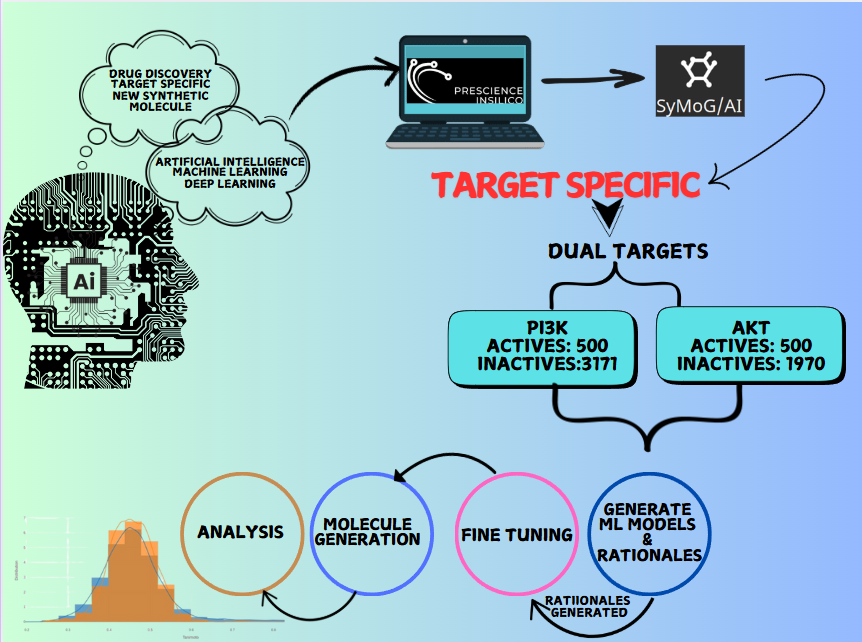
The Target Specific module within the SyMoG/AI application represents a groundbreaking approach to synthetic molecule generation tailored to specific biological targets, focusing on drug discovery for cancer-related pathways. Leveraging machine learning model…
Metal Docking in PRinS3: Expanding Ligand Binding Studies to Metal-Dependent Systems
Metallo-β-lactamases (MBLs) are a critical group of enzymes that enable bacteria to resist β-lactam antibiotics, including carbapenems, which are often considered the last line of defense for treating severe bacterial infections. Carbapenems, a powerful subcl…
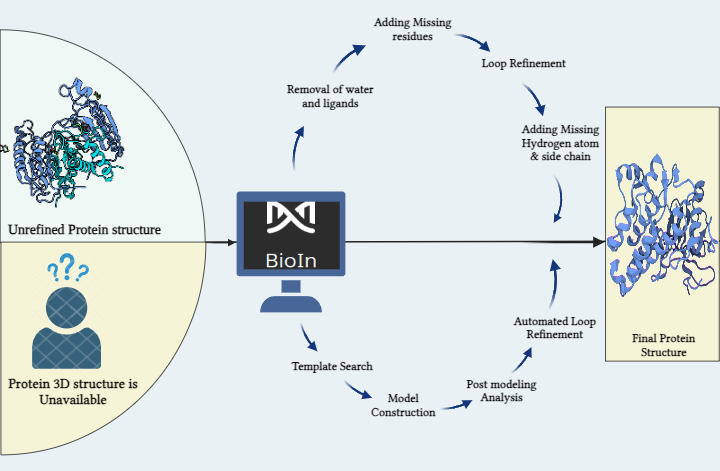
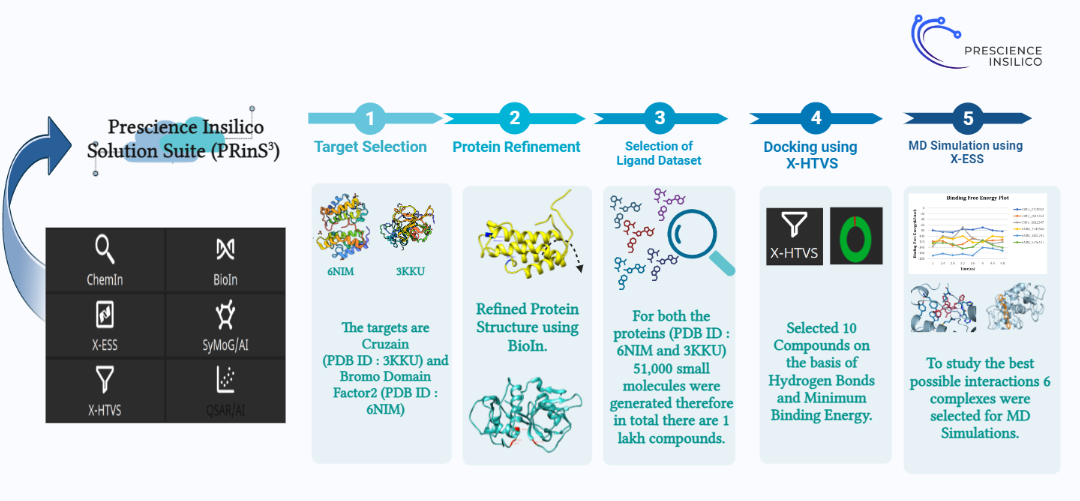
Streamlined Protein Structure Exploration: BioIn in PRinS3 Software Suite for Effortless Protein Refinement
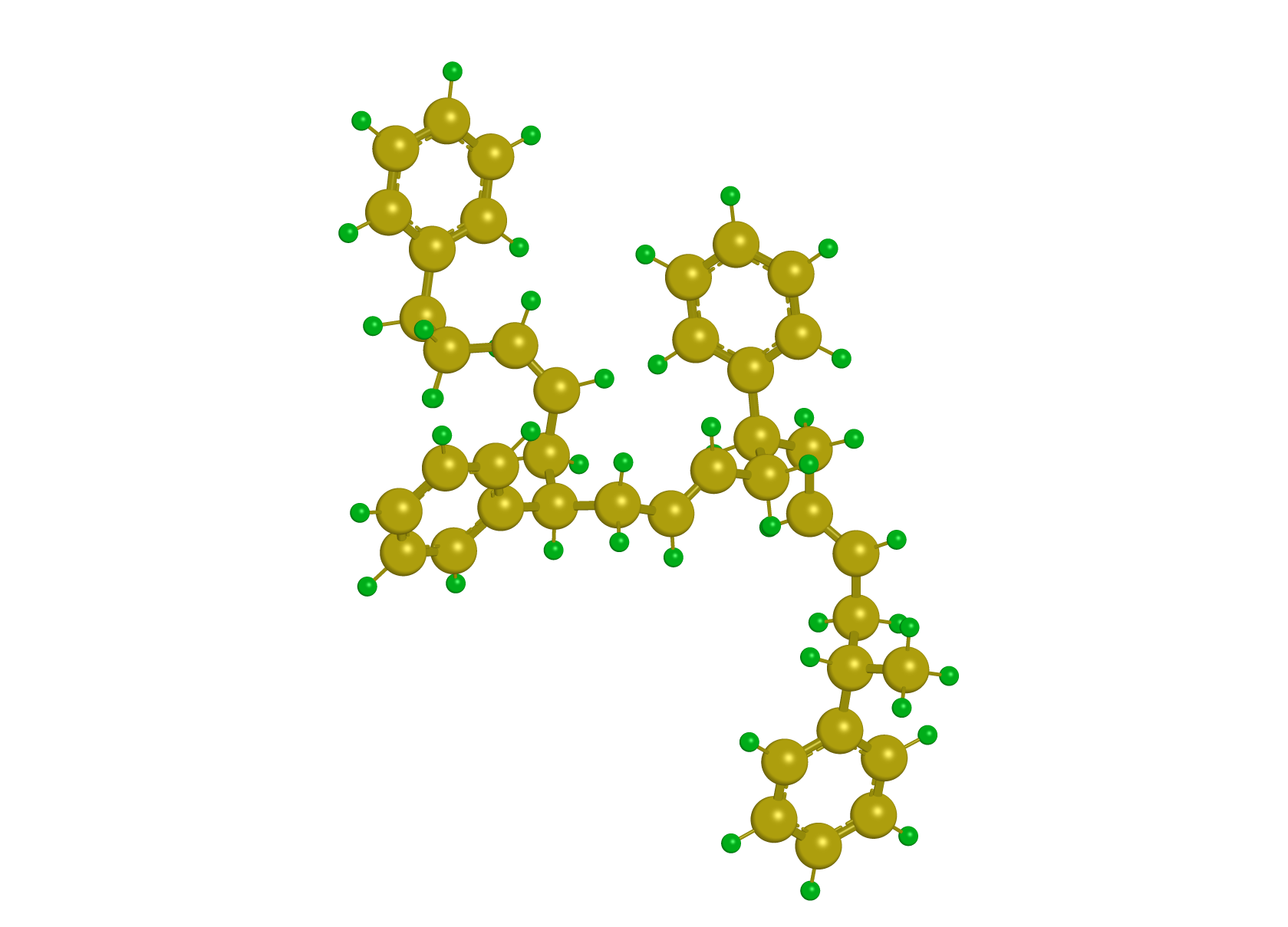
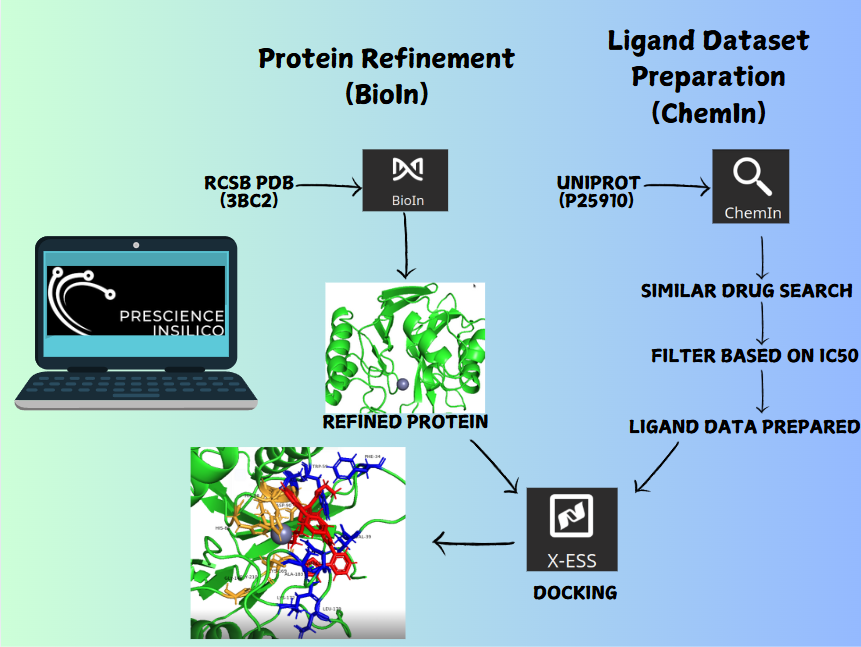
Commencing on the fascinating world of in silico studies, our journey begins with the exploration and identification of protein targets. Exploiting the power of databases like RCSB Protein Data Bank and Uniprot, we dive into the domain of protein structures.
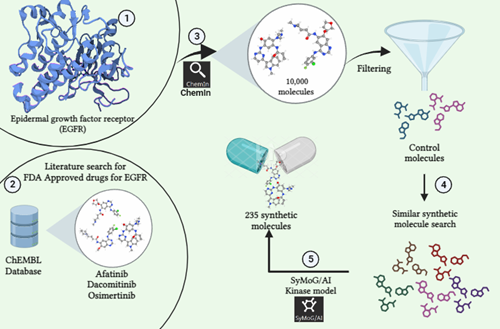
Unveiling New Molecules: Boosting Disease Datasets in a scenario of limited availability of FDA-Approved Drugs using PRinS3 Platform.
The epidermal growth factor receptor (EGFR) is a key member in a group of receptors responsible for growth, carrying a built-in tyrosine kinase function.
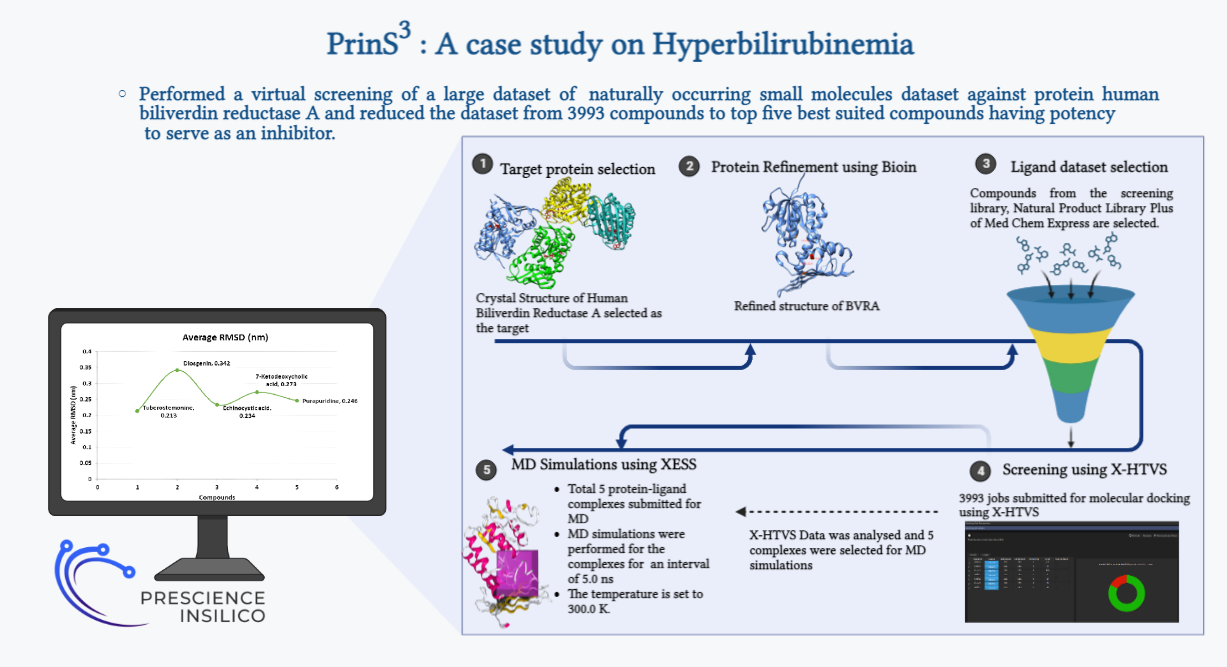
Exploring Natural Products that inhibit the Target Biliverdin Reductase in Hyperbilirubinemia using PRinS3 Platform
Hyperbilirubinemia is a form of illness characterized by an increase in blood bilirubin levels as a result of a failure to efficiently metabolize or eliminate bilirubin, a byproduct of erythrocyte breakdown. It can be traced back to irregularities in normal b…
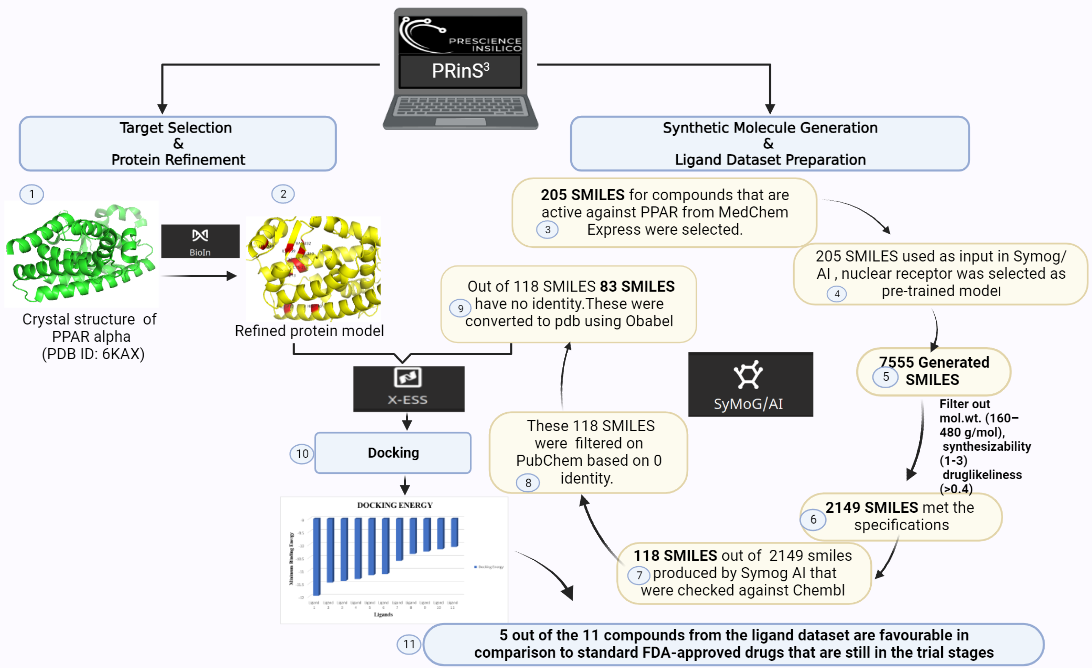
Identifying New Chemical Entities as Potential Therapeutic Agent for NAFLD Treatment using PRinS3 Platform
Non-alcoholic fatty liver disease, a chronic liver condition not caused by alcohol or other obvious liver-damaging factors, is characterized by excessive fat deposition in hepatocytes.
Insilico Drug Repurposing Approach To Identify Drugs For The Treatment Of Neglected Diseases using PRinS3 Platform
Chagas Disease can be described as a condition in which the parasite named Trypanosoma cruzi is involved and it is the main causative agent of this disease. These parasites can enter the body through the mucous membranes and also through the breaks that are p…
Peer-reviewed papers in refereed journals by the Prescience Insilico team and collaborators.
2023
Journal of Biomolecular Structure and Dynamics
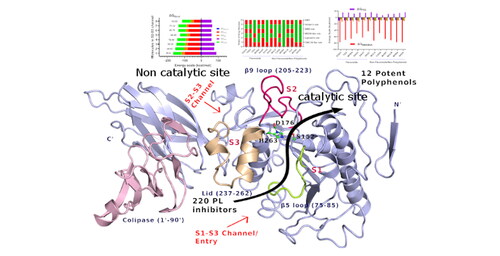
A computational study to probe the binding aspects of potent polyphenolic inhibitors of pancreatic lipase
Sanjay Kottekad, Sudip Roy & Usharani Dandamudi
Abstract
Pancreatic lipase (PL) is a keen target for anti-obesity therapy that reduces dietary fat absorption. Here, we investigated the binding patterns of 220 PL inhibitors having experimental IC50 values, using molecular docking and binding energy calculations. Screening of these compounds illustrated most of them bound at the catalytic site (S1-S2 channel) and a few compounds are at the non-catalytic site (S2-S3 channel/S1-S3 channel) of PL. This binding pattern could be due to structural uniqueness or bias in conformational search. A strong correlation of pIC50 values with SP/XP docking scores, binding energies (ΔGMMGBSA) assured the binding poses are more true positives. Further, understanding of each class and subclasses of polyphenols indicated tannins preferred non-catalytic site wherein binding energies are underestimated due to huge desolvation energy. In contrast, most of the flavonoids and furan-flavonoids have good binding energies due to strong interactions with catalytic residues. While scoring functions limited the understanding of sub-classes of flavonoids. Hence, focused on 55 potent PL inhibitors of IC50 < 5 µM for better in vivo efficacy. The prediction of bioactivity, drug-likeness properties, led to 14 bioactive compounds. The low root mean square deviation (0.1-0.2 nm) of these potent flavonoids and non-flavonoid/non-polyphenols PL-inhibitor complexes during 100 ns molecular dynamics runs (MD) as well as binding energies obtained from both MD and well-tempered metadynamics, support strong binding to catalytic site. Based on the bioactivity, ADMET properties, and binding affinity data of MD and wt-metaD of potent PL-inhibitors suggests Epiafzelechin 3-O-gallate, Sanggenon C, and Sanggenofuran A shall be promising inhibitors at in vivo conditions.
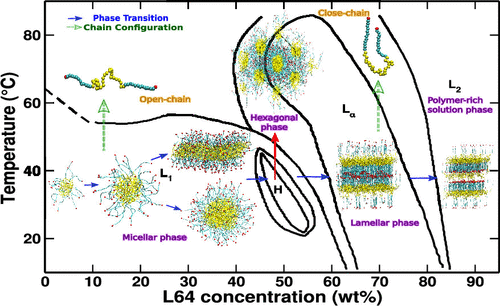
Insights into the thermodynamics and morphology of different phases of pluronic L64 from molecular simulations using derived coarse-grained model,
Bhendle M, Srivastava A and Singh JK
Abstract
We investigate the concentration-dependent phase diagram of pluronic L64 in aqueous media at 300 and 320 K using coarse-grained (CG) molecular dynamics (MD) simulations. The CG model is derived by adapting the Martini model for nonbonded interactions along with the Boltzmann inversion (BI) of bonded interactions from all-atom (AA) simulations. Our derived CG model successfully captures the experimentally observed micellar-, hexagonal-, lamellar-, and polymer-rich solution phase. The end-to-end distance reveals the conformational change from an open-chain structure in the micellar phase to a folded-chain structure in the lamellar phase, increasing the orientational order. An increase in temperature leads to expulsion of water molecules from the L64 moiety, suggesting an increase in L64 hydrophobicity. Thermodynamic analysis using the two-phase thermodynamics (2PT) method suggests the entropy of the system decreases with increasing L64 concentration and the decrease in free energy (F) with temperature is mainly driven by the entropic factor (−TS). Further, the increase in aggregation number at lower concentrations and self-assembly at very high concentrations is energetically driven, whereas the change from the micellar phase to the lamellar phase with increasing L64 concentration is entropically driven. Our model provides molecular insights into L64 phases which can be further explored to design functionality-based suprastructures for drug delivery and tissue engineering applications.
Journal of Biomolecular Structure and Dynamics 40,7002-7017
Metadynamics-based enhanced sampling protocol for virtual screening: case study for 3CLpro protein for SARS-CoV-2
Namsani S, Praminik D, Khan MA, Roy S and Singh JK
Abstract
In recent times, computational methods played an important role in the down selection of chemical compounds, which could be a potential drug candidate with a high affinity to target proteins. However, the screening methodologies, including docking, often fails to identify the most effective compound, which could be a ligand for the target protein. To solve that, here we have integrated meta-dynamics, an enhanced sampling molecular simulation method, with all-atom molecular dynamics to determine a specific compound that could target the main protease of novel severe acute respiratory syndrome coronavirus 2 (SARS-COV-2). This combined computational approach uses the enhanced sampling to explore the free energy surface associated with the protein's binding site (including the ligand) in an explicit solvent. We have implemented this method to find new chemical entities that exhibit high specificity of binding to the 3-chymotrypsin-like cysteine protease (3CLpro) present in the SARS-CoV-2 and segregated to the most strongly bound ligands based on free energy and scoring functions (defined and implemented) from a set of 17 ligands which were prescreened for synthesizability and druggability. Additionally, we have compared these 17 ligands' affinities against controls, N3 and 13b α-ketoamide inhibitors, for which experimental crystal structures are available. Based on our results and analysis from the combined molecular simulation approach, we could identify the best compound which could be further taken as a potential candidate for experimental validation.
Integrated docking and enhanced sampling based selection of repurposing drugs for SARS-CoV-2 by targeting host dependent factors
Amit Kumawat, Sadanandam Namsani, Debabrata Pramanik, Sudip Roy & Jayant K Singh
Abstract
Since the onset of global pandemic, the most focused research currently in progress is the development of potential drug candidates and clinical trials of existing FDA approved drugs for other relevant diseases, in order to repurpose them for the COVID-19.
High-Throughput Screening of Metal–Organic Frameworks for Ethane–Ethylene Separation Using the Machine Learning Technique
Prosun Halder & Jayant K Singh
Abstract
A hybrid approach combining machine learning algorithms with molecular simulation is utilized to screen hypothetical metal–organic framework (h-MOF) database for the best material to separate ethane (C2H6) and ethylene (C2H4).
Potential drug candidates for SARS-CoV-2 using computational screening and enhanced sampling methods
Sadanandam Namsania, Debabrata Pramanik, Mohd Aamir Khan, Sudip Roy & Jayant K Singh
Abstract
Here, we report new chemical entities that exhibit highly specific binding to the 3-chymotrypsin-like cysteine protease (3CLpro) present in the novel severe acute respiratory syndrome coronavirus 2 (SARS-CoV-2)
Intersecting science and tech frontiers: monthly online talks bridging academia and industry expertise.
Monthly · Online
Monthly Industry-Academic Talks: Engage Online for Insightful Discussions
Join our monthly online talks, bridging the gap between industry and academia. Explore cutting-edge insights, foster collaboration, and stay informed with our dynamic discussions.
Upcoming talk coming soon
What we cover
Collaboration: Learn how industry and academia partnerships drive advancement.
Cutting-Edge Insights: Explore the latest developments in drug discovery and materials science.
AI-Powered Innovation: Discover how artificial intelligence revolutionises scientific research and development.
Author Insights: Gain unique perspectives from leading experts sharing insights on specific research areas.
Latest Talks
May 2025
From Chaos to Clarity: Label Once, Label Right
Dr. Mahesh Kulharia
Recording coming soon
Apr 2025
From Science of Intelligence to Machine Intelligence
Dr Tapan K Gandhi
Recording coming soon
Mar 2025
Dynamics and Disorder in Catalytic Site-Ensembles
Recording coming soon
Feb 2025
The first, second and third genomes of human health and disease
Recording coming soon
Jan 2025
Nanoscale Approaches for Therapeutic Immune Modulation
Lets Do Drug Discovery with Prescience Insilico and Combat COVID 19: An Exclusive Webinar with Demonstration of in silico drug discovery platform PRinS3